


A Journey Through South Korea’s Temple Stays
My journey to South Korea was a profound exploration of mindfulness and culture, centered around the transformative experience of temple stays. Over the course of my visit, I immersed myself in the serene traditions of three remarkable temples: Cheonjinam, Yeongseonsa, and Jingwansa. Each offered a unique window into the spiritual practices and philosophies of Korean Buddhism.


"Respect the nature and cook from your heart"
Emil Minev, Culinary Director


EXPLORING TRANQUILITY
My exploration of temple stays took me to three remarkable sanctuaries of Korean Buddhism: Cheonjinam, Yeongseonsa, and Jingwansa. Each temple, unique in its history and setting, introduced me to the profound spiritual and cultural traditions that have shaped this ancient land.
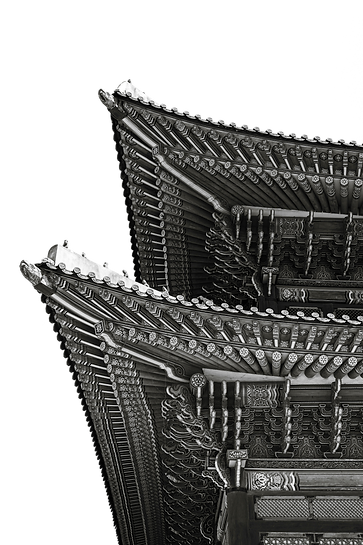
Cheonjinam, nestled in lush forests, felt like stepping into a timeless embrace of nature. Guided by a compassionate monk, I learned the significance of meditation as a path to inner peace. Yeongseonsa, with its majestic architecture and serene courtyards, inspired reflection through the beauty of its surroundings and the rhythmic chants that filled the air. Finally, at Jingwansa, I experienced the powerful connection between food and spirituality, delving into the rich tradition of temple cuisine.


Jeong Kwan
Jeong Kwan is a renowned Korean Buddhist nun and chef celebrated for her mastery of temple cuisine, a cooking tradition rooted in mindfulness, simplicity, and harmony with nature. She gained international recognition through her appearance on Chef’s Table (Netflix), where her philosophy of cooking as a spiritual practice captivated audiences.
Venerable Beop Song
a respected Korean Buddhist nun and an expert in temple cuisine, known for her efforts to promote the philosophy and practice of this culinary tradition globally.
She has made notable visits to Le Cordon Bleu, where she shares the principles of temple food—simplicity, sustainability, and spiritual harmony—with aspiring chefs and food enthusiasts.


Ven. Gyeho Sunim
With a focus on the spiritual and ethical principles of Buddhist cooking, she emphasizes the importance of living in harmony with nature through sustainable and plant-based eating.
Venerable Gyeho Sunim has also conducted workshops and culinary demonstrations internationally, inspiring audiences to explore the profound connection between food, mindfulness, and spirituality.
South Korea’s cultural and spiritual heritage through my lens
Guided by the wisdom of three dedicated monks, I discovered the art of living in harmony through meditation, chanting, and the ritual simplicity of temple food. These meals, rooted in balance and sustainability, showcased the intricate connection between food, nature, and spirituality. This portfolio captures the beauty and insight of my journey, from tranquil temple courtyards to the meditative act of preparing temple meals.


Temple Food, a cornerstone of my journey.
Temple food is a culinary art that goes beyond sustenance. It reflects the Buddhist values of respect for life, gratitude, and harmony with nature. The meals I shared—handcrafted with fresh, seasonal ingredients and free from meat, garlic, or onions—were as nourishing for the soul as they were for the body.


Throughout this journey, I was not just a visitor but a participant in the rhythms of monastic life. From predawn chanting ceremonies to tranquil walks along forest paths, each moment was an invitation to slow down and connect with the present.


S C R O L L